How To Find A Job After Long-Term Unemployment?


Table of Contents
Experts say that the longer you are unemployed, the less likely you are to find a job. Why?
There are many reasons for an employer to take a break from work. You might be on parental leave, sabbatical leave, or even sick for a long time.
Whatever the reason is, it is difficult to pick up after a long period of unemployment, especially in this highly competitive labor market. Such individuals look for long term unemployment help to get back on track. This is possible if you take the right approach.
7 Secret Tips to Get Back to Work After Long-Term Unemployment
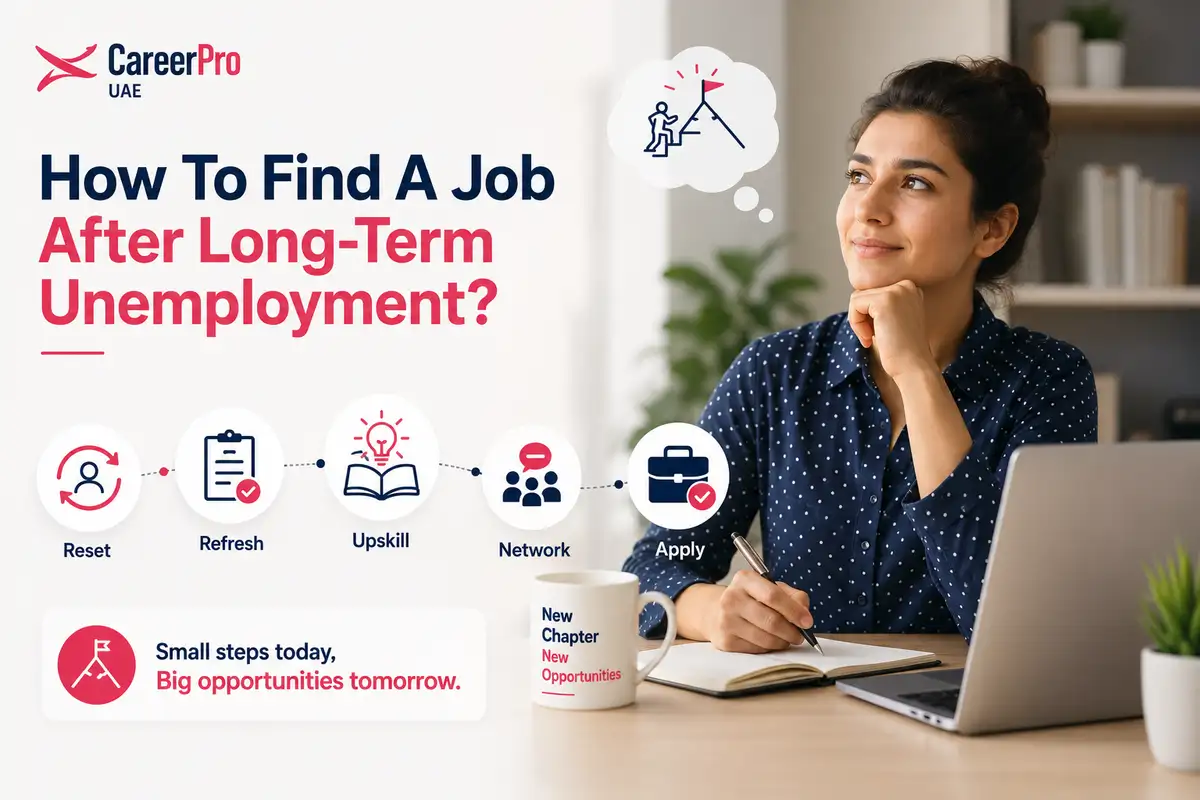
Returning to work after a long gap is no doubt a challenge, but the right approach can make this process easier. From improving skills to building professional connections, small steps create big opportunities.
Tip #1: Indulge in self-assessment and upskilling
Before you step into the job market, think about how to find a job after long unemployment. Take some time to assess your current skills and qualifications.
- Identify gaps: What skills or knowledge might you be lacking compared with the current job market demands?
- Upskill: Enroll yourself in online courses or register yourself in workshops to enhance your skill set. There are different websites that offer courses in different fields.
Tip #2: Revamp your CV
Your CV or resume is the first impression you will make on potential employers. Therefore, it is crucial to get it right. You also need to know how to mention unemployment on your resume professionally.
- Focus on achievements: Highlight all the accomplishments or projects you have worked on during your unemployment period.
- Include freelance or volunteer work: If you have worked on any freelance project or been a part of volunteer work during the break, be sure that you include it.
- Highlight relevant skills: Consider using a functional CV format. Choose one that emphasizes skills over chronological work history.
Tip #3: Prepare for the interview
Being away from the job market means that you are out of practice when it comes to interviews. You must practice explaining unemployment gap in interview.
- Research: Get in the field and familiarize yourself with the latest trends and developments in your industry.
- Practice with mock interviews: Practice with a friend or family member to get feedback and improve.
- Address the gap: Be prepared to discuss your unemployment period. The hiring team will question you, but you need to sound positive. Focus on what you have learned or achieved during that time.
Tip #4: Consider temporary or part-time roles
If this is a challenge to secure a full-time position immediately, then instead of sitting back, pick a part-time position or a temporary job. Something is better than nothing.
- Start small: Temporary or part-time roles can be a stepping stone to full-time employment. In the same way, entry-level roles can be an essential part of your progression to move to an advanced position.
- Gain experience: These roles help you get back into the rhythm of working, and you get a chance to update your CV with recent experience.
Tip #5: Stay positive and persistent
Rejection is a part of the job search, and getting rejected once or twice is common. Every rejection will teach you something, and remember you have been unemployed for a long time.
- Stay resilient: Don’t get disheartened by rejections. Each one brings you one step closer to hearing yes.
- Seek feedback: if you are not selected after an interview, politely ask for feedback. The feedback you will receive can be taken as valuable insight for your next application.
Tip #6: Seek help with your job search
Many organizations and agencies offer unemployment support services and guidance to individuals seeking to return to work after long-term unemployment. One of the best-known for helping such individuals is Career Pro.
- Recruitment agencies: They provide tailored advice and access to job opportunities that might not be publicly advertised.
- Career advisers: They can offer guidance on career paths, CV writing, and interview techniques.
Tip #7: Engage in networking
Networking is a powerful tool in the job search process, especially when you have been out of the loop for a while.
- Reconnect: reach out to former colleagues, friends, or acquaintances in your industry.
- Join professional groups: There are various websites with numerous groups related to specific industries or job roles.
- Attend seminars or workshops: These are excellent places to meet potential employers or get referrals.
Conclusion
Getting back to work after a long break of being unemployed takes time, but this is something possible. You need to focus on your skills, make changes to your resume, and build a network. Practice interview sessions with your friends and family to boost your confidence. Every small step you take brings you closer to the right job and a fresh start.
FAQs
How can I find a job after long-term unemployment?
Start by updating your skills, improving your CV, and applying for roles that match your current experience. Networking can also help a lot.
How do I explain a long gap in my CV?
Be honest and keep it simple. Focus on what you learned, any freelance work, volunteering, or courses you completed during that time.
Should I apply for part-time or temporary jobs first?
Yes. These jobs can help you rebuild confidence, gain recent experience, and move back into full-time work later.
How can I stay confident during my job search?
Keep going, even after rejections. Every application and interview is practice. Small progress still counts.
Can networking really help me get a job?
Yes. Many jobs are found through people, not just job boards. Reconnecting with old contacts can open new opportunities.