UAE Firms Use Flexible Workforce Strategies in the Era of Global Tensions


Table of Contents
The ongoing West Asia conflicts involving the US, Iran, and Israel have alarmed companies in the UAE to be cautious when managing their workforce. Most of the recruiters are considering this disruption temporary and have changed their strategies to protect the core teams and turn to flexible, freelance, and contract-based work.
As a result, companies have moved away from the usual permanent hiring to a more balanced workforce mix. The TASC Outsourcing CEO interview, being published in Gulf Business, even supports this shift. Companies can enjoy long-term stability while staying flexible when business needs change.
Reasons More Companies are Choosing Flexible Work
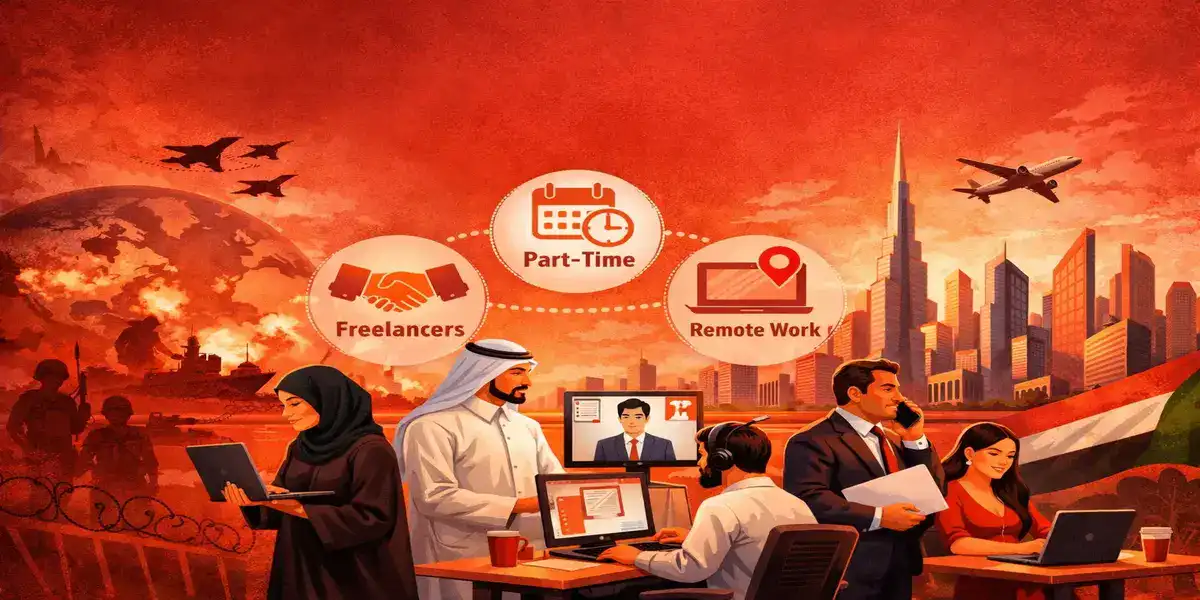
The News of Bahrain clearly states that UAE firms have shifted towards flexible, freelance, and contract-based roles during the global economic volatility. This demand has risen to 25% in technology, digital marketing, and project management.
Hiring contract workers and fractional executives, businesses can now get senior-level expertise without the long-term cost of full-time salaries and benefits. This gives companies the chance to bring in the right skills exactly when they need them.
The Existing Employees are More Important
UAE employers are also making more effort to retain their existing permanent staff to avoid the high costs and disruptions linked to employee turnover. Gulf News also confirms that retaining existing employees is often more cost-effective than hiring new ones.
Instead of looking outside the company for every new need, many organizations are investing in internal mobility and focusing on upskilling and reskilling their current teams. This approach also helps employees grow with the business and feel more secure in their roles.
Flexible Roles Have Become More Common
The News of Bahrain confirms that UAE firms have chosen new hiring strategies, adapting to a hybrid labor model. This leads to an increase in contract, project-based, and fractional roles. Companies are using these models to stay agile and respond faster to demand changes. Employers are increasingly relying on flexible, freelance, and contract-based roles to maintain business flexibility. For many firms, this is the easiest way to stay productive while keeping hiring risks low.
Protecting Jobs and Reducing Layoffs
Gulf News states that companies are seeking the ability to adjust their workforce quickly in response to the changing demands. As a result, firms are moving away from broad layoffs and treating talent as something to protect. Strong demand is still seen in sectors like energy, logistics, and fintech, while other areas are seeing slower hiring unless the role is essential. At the same time, some firms are using part-time work and flexible arrangements to avoid redundancies. This shows that companies are trying to protect jobs instead of making sudden cuts.
Clear Communication Leads The Process
With communication playing such an important role, employers are putting in more effort to keep workers informed. Research shows that transparent communication during changes helps reduce employee uncertainty and builds commitment. When people understand the reason behind the changes, they stay calm and confident.
Conclusion
UAE firms have not stopped hiring, but have become more selective, protecting their core teams and using flexible roles to lead the hiring during global economic volatility. Gulf Business states that reskilling, strategic workforce planning, and matching roles to changing business needs are important for companies to stay stronger.